A C T I V A
Fraud Alert !!! ACTIVA LOGISTICS will never email you with a domain other than activalogistics.com and a phone number other than 289-412-1313. Beware of fraudsters if they are contacting you by any other means except these two. Activa Logistics will not be responsible if you book loads with a 3rd party without verifying the email domain and Phone number.

Contact Info

26 Lorenville Drive, Brampton, ON L6X 3A1

Your Beginner’s Guide to LTL Shipping (And Why It Might Be Perfect for You)

Let’s be honest—figuring out shipping logistics can feel like learning a new language. Between all the acronyms, pricing structures, and carrier options, it’s easy to feel lost.

But here’s the good news: if you’re shipping products that are too large for a FedEx box but not quite enough to fill an entire truck, LTL Shipping might just become your new best friend.

Let me walk you through everything you need to know, in plain English.

What Exactly Is LTL Shipping?

LTL stands for “Less Than Truckload”-and yes, it’s exactly what it sounds like.

Instead of paying for an entire semi-truck when you only have a few pallets to ship, LTL lets you share truck space with other businesses heading in the same direction. You only pay for the portion of the truck your freight actually uses.

Think of it like carpooling, but for your products.

This approach makes LTL shipping one of the smartest, most budget-friendly ways to move goods—especially for small to mid-sized businesses.

Why So Many Businesses Love LTL Shipping

1. You’ll Save Serious Money

Why pay for an entire truck when you’re only using 10% of it? With LTL, you split the cost with other shippers. If you’re moving anywhere from 1 to 6 pallets at a time, the savings can be huge.

2. It’s Better for the Planet

Fewer half-empty trucks on the road means less fuel burned and lower emissions. Consolidating shipments isn’t just smart business-it’s better for the environment too.

3. It Fits Right Between Parcel and Full Truckload

Got a shipment that’s too heavy for UPS but not enough to justify renting an entire truck? LTL fills that gap perfectly. It’s ideal if you ship regularly but in moderate quantities.

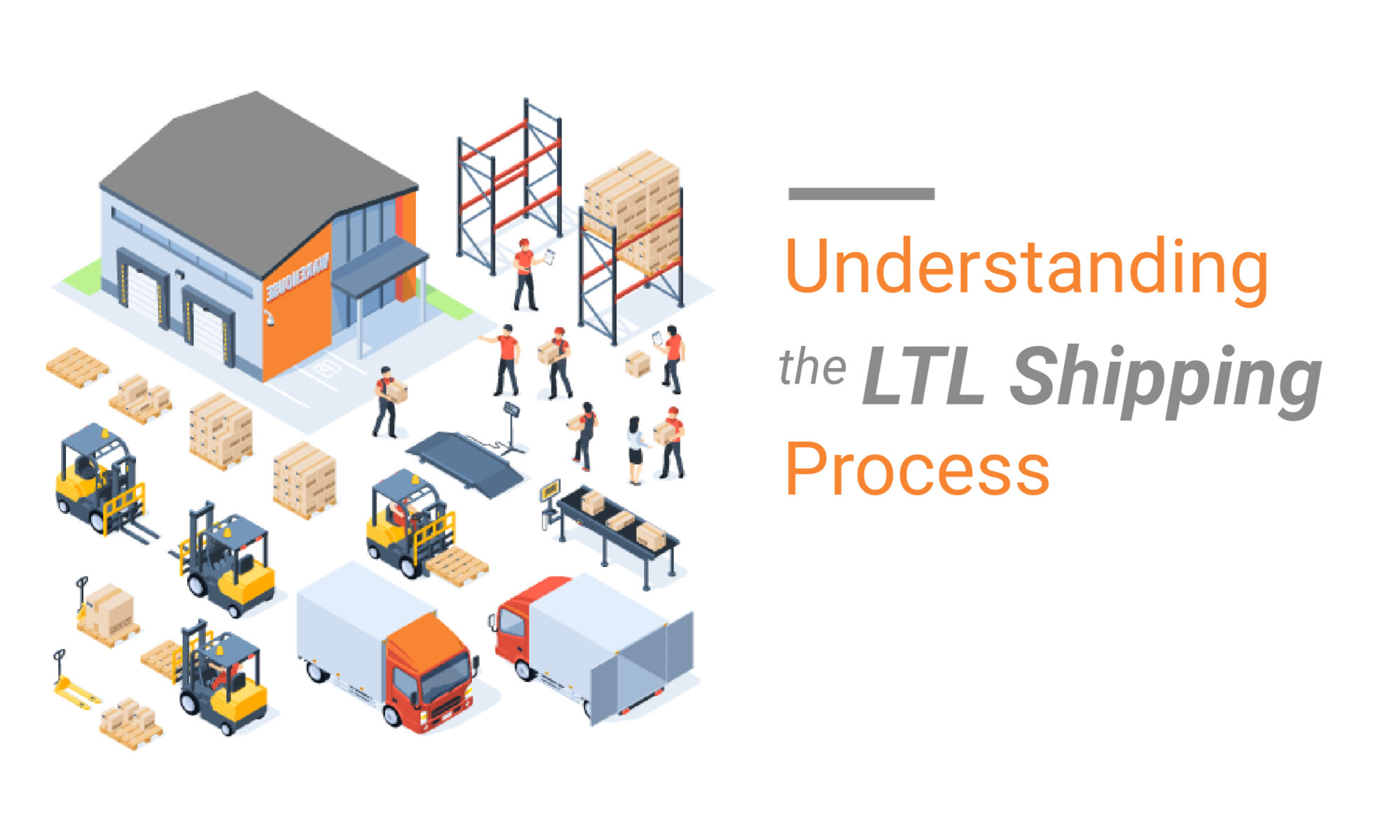
Here’s How LTL Shipping Actually Works

Understanding the process helps you plan better and avoid surprises.

Step 1: Pickup

The carrier picks up your freight and brings it to a local terminal (basically a sorting hub).

Step 2: Sorting & Consolidation

Your shipment gets sorted by destination and loaded onto a truck with other freight going the same way.

Step 3: Transit Through Terminals

Your freight might move through a couple of regional hubs before reaching the terminal closest to its final destination.

Step 4: Final Delivery

A local truck makes the last-mile delivery to your customer or warehouse.

Yes, this means LTL shipments typically take a bit longer than full truckload deliveries-since your freight makes a few stops along the way. But with good planning and the right carrier, LTL remains incredibly reliable and cost-effective.

How to Pick the Right LTL Carrier or Logistics Partner

Not all carriers are created equal. When you’re comparing options, look for:

  • A strong network of terminals across the regions you ship to
  • Real-time tracking capabilities so you (and your customers) always know where freight is
  • Transparent, straightforward pricing with no surprise fees

Pro tip: Consider working with a Freight Broker. These folks are experts at negotiating better rates, matching you with reliable carriers, and optimizing routes. They can save you both time and money-especially if you’re new to shipping or don’t have time to manage it all yourself.

4 Quick Tips to Master LTL Shipping

1. Always Palletize and Secure Your Freight

Your shipment will be handled multiple times as it moves through terminals. Use pallets, shrink wrap, and straps to protect everything. Clear labels on all sides help prevent mix-ups.

2. Get Your Freight Class Right

LTL pricing is based on something called freight class (it ranges from 50 to 500). The class depends on your shipment’s weight, dimensions, density, and how easy it is to handle.

Getting this wrong can result in costly re-billing surprises. Measure carefully and classify accurately-or ask your carrier for help.

3. Consolidate Shipments When You Can

If you’ve got multiple small orders heading to the same area, combine them into one LTL shipment. You’ll cut costs and make tracking way easier.

4. Take Advantage of Shipping Technology

Most modern carriers and brokers offer online platforms where you can instantly get quotes, book shipments, track deliveries in real time, and manage invoices. Use these tools-they’ll save you hours of back-and-forth.

So, Is LTL Shipping Right for Your Business?

If you regularly ship freight that doesn’t fill an entire truck, the answer is probably yes.

With the right logistics partner backing you up, LTL shipping can help you:

  • Cut transportation costs significantly
  • Improve delivery reliability and efficiency
  • Gain better visibility and control over your supply chain

Understanding how LTL works puts you ahead of the game. You’ll make smarter shipping decisions, avoid common pitfalls, and keep more money in your pocket.

Ready to ship smarter? Now you know exactly where to start.
10 Questions to Choose the Right Freight Brokerage Company in 2026

Let’s be honest—finding the right freight broker feels a bit like dating. You’re looking for someone reliable, transparent, and who won’t ghost you when things get complicated. Your supply chain depends on it, and by 2026, with all the tech innovations and fierce competition out there, picking the wrong partner could cost you more than just money.

The right freight broker? They’re your logistics lifeline. They’ll get your shipments there on time, help you cut costs, optimize routes, and handle those curveball situations that inevitably pop up.

So how do you separate the keepers from the pretenders? Ask these 10 questions before you sign anything.

1. What’s Your Team’s Real Experience in This Game?

Here’s the thing—experience isn’t just a nice-to-have in logistics. It’s everything.

You want to know: How long have they been doing this? What industries do they work with? Have they handled shipments like yours before?

A broker who’s been around the block has solid carrier relationships and knows how to navigate the messy stuff—customs delays, peak season chaos, you name it. They’ve seen it all and lived to tell the tale.

2. Are You Actually Licensed and Insured?

This might sound basic, but you’d be surprised how often people skip this step.

Make sure they’re licensed with the Federal Motor Carrier Safety Administration (FMCSA) and carrying proper insurance. This isn’t just red tape—it’s your safety net. If something goes wrong (and sometimes it does), you need to know your freight is protected and you’re working with a legitimate operation.

3. What’s Your Specialty? Do You Actually Know My Type of Freight?

Not all freight brokers are created equal. Some are wizards with LTL shipments. Others specialize in refrigerated goods, oversized loads, or hazmat materials.
Working with someone who understands your specific freight type means fewer headaches down the road. They’ll know the regulations, the challenges, and the best carriers for the job. It’s like choosing a doctor—you want a specialist, not a generalist, when it really matters.

4. Let’s Talk Money—What’s This Going to Cost Me?

Nobody likes surprise charges showing up on their invoice.

Ask upfront: How do you charge? Is it a flat fee or a percentage? And here’s the big one—what about those extras?

  • Fuel surcharges
  • Administrative fees
  • Any “hidden” costs lurking in the fine print

A trustworthy broker will lay it all out clearly. If they’re dodging the pricing conversation, that’s your red flag.

5. How Tech-Savvy Are You?

It’s 2026, people. If your broker is still relying on phone calls and fax machines, run.

You need real-time tracking, automated alerts, digital documentation, and easy-to-use online portals. Technology gives you visibility—and visibility gives you control. You should be able to check on your shipment anytime, anywhere, without playing phone tag.

6. Can I Talk to Your Other Clients?

Any broker worth their salt will happily connect you with references or share case studies.

When you talk to their existing clients, ask the real questions:

  • Are they actually reliable?
  • How’s their communication when problems arise?
  • Do they follow through on promises?
  • Is their customer support responsive or do they disappear?

Real feedback from real customers tells you everything a sales pitch won’t.

7. How Flexible Can You Be When Things Change?

Business is unpredictable. Your freight needs this month might look completely different next month.

Can they handle sudden volume spikes? What about expedited shipments when a client needs something yesterday? Special handling requirements? Last-minute reroutes?

The best brokers roll with the punches. They understand that your business isn’t static, and neither should your logistics partner be.

8. How Strong Is Your Carrier Network?

A freight broker is only as good as their carriers.

You want someone with a deep, vetted network of reliable carriers. Why? Because when peak season hits or there’s an unexpected disruption, a strong network means your shipments keep moving—without price gouging or delays.

Ask them about their carrier vetting process. How do they ensure quality? What happens if a carrier falls through?

9. How Do You Stay on Top of Compliance and Safety?

Transportation regulations change all the time. Environmental standards evolve. Safety protocols get updated.

A professional broker doesn’t just react to these changes—they stay ahead of them. They should be proactive about:

  • Current safety protocols
  • Legal requirements
  • Environmental compliance standards

This protects you from fines, delays, and the kind of reputation damage that takes years to repair.

10. How Do You Actually Communicate?

Bad communication in logistics is expensive. Period.

Find out:

  • What are your support hours?
  • How quickly do you respond to issues?
  • Do you proactively update me, or do I have to chase you down?
  • Will I have a dedicated account manager who actually knows my business?

The best brokers keep you in the loop and respond fast when you need them. They become partners, not just vendors.

The Bottom Line

Choosing a freight broker in 2026 isn’t just about finding the cheapest option. It’s about finding a partner who brings expertise, embraces technology, offers flexibility, operates with transparency, and has the carrier relationships to back it all up.

These 10 questions aren’t just a checklist—they’re your roadmap to finding a logistics provider who’ll actually have your back. Someone who protects your cargo, keeps your supply chain humming, and helps your business grow.

Because at the end of the day, the right freight brokerage isn’t just about moving boxes from Point A to Point B. It’s about building a strategic relationship that makes your business more efficient, less risky, and positioned for long-term success.

Start with these questions, and you’ll find a logistics partner you can count on—not just in 2026, but for years to come.

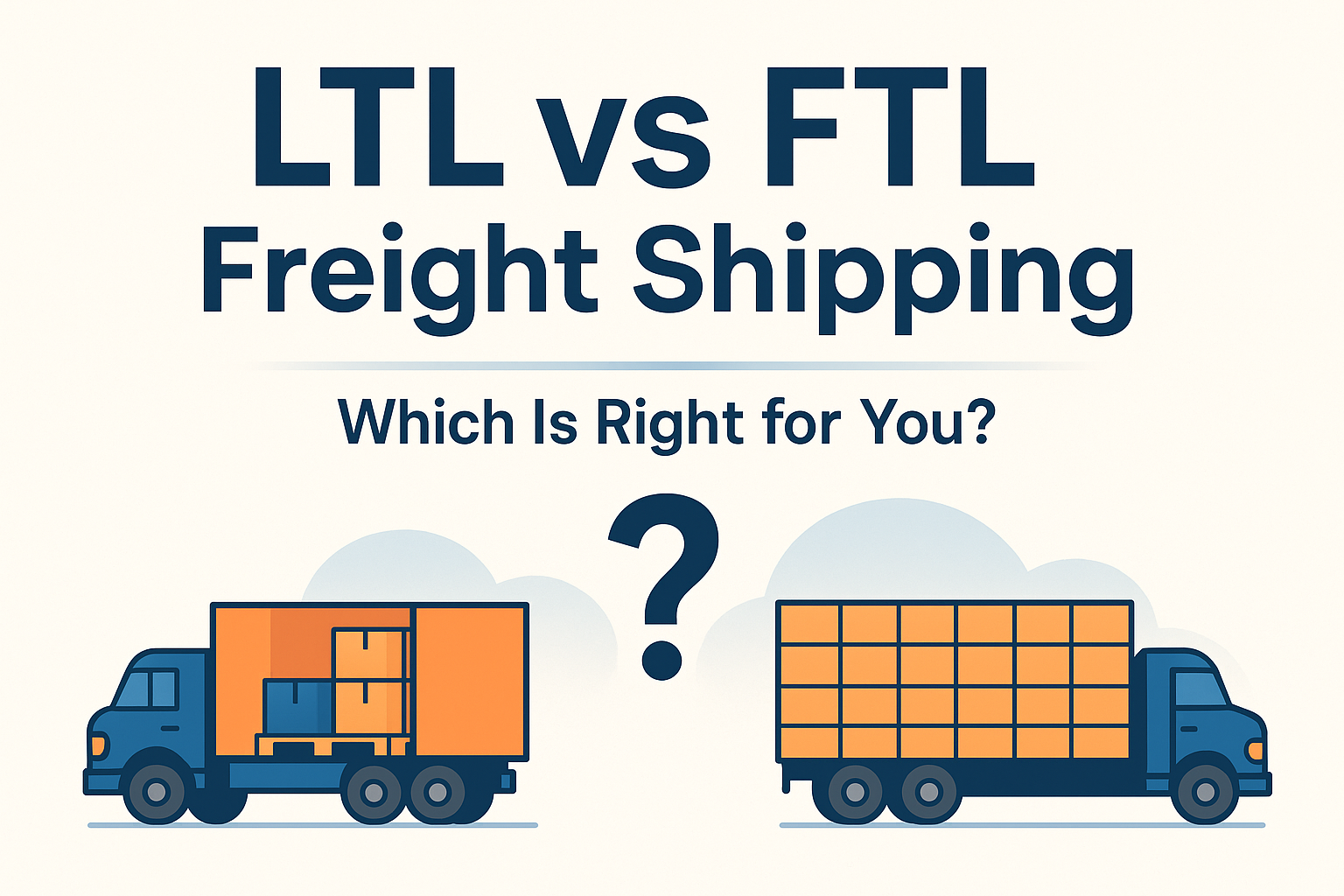
LTL vs FTL Freight Shipping: Which Is Right for You?

Most people think shipping freight is just about moving goods from one place to another. But there’s more to it. Choosing the right shipping method can help you save time, money, and a lot of stress.

In logistics, you’ll often hear two terms: LTL (Less-than-Truckload) and FTL (Full Truckload). They might sound complicated, but the idea is really simple:

  • LTL is like sharing a ride with others.
  • FTL is like booking the whole vehicle just for yourself.

Both options are useful—the key is knowing which one fits your shipment best. Let’s break them down in easy words.

What Is LTL Freight Shipping?

LTL shipping is used when your shipment doesn’t take up the whole truck. Your freight shares space with goods from other businesses, and you only pay for the space you use — just like splitting a cab fare.

LTL works well when:

  • Your shipment is small or medium-sized
  • You’re looking to save on shipping costs
  • Delivery time isn’t urgent
  • You ship smaller loads often

Why many businesses choose LTL:

  • Cheaper than booking an entire truck
  • Great for frequent, small shipments
  • Easy to book through logistics companies or freight brokers

Things to keep in mind:

  • More stops mean longer delivery times
  • More handling means fragile items need extra care or packaging

If saving money matters more than speed, LTL is a solid option.

What Is FTL Freight Shipping?

FTL shipping means you book the entire truck, even if it’s not completely full. Your freight goes straight from pickup to delivery without stopping for other shipments.

Choose FTL if:

  • You have a large or full-truckload shipment
  • Your freight is fragile, valuable, or time-sensitive
  • You need fast, direct delivery
  • You prefer little to no handling

Why many prefer FTL:

  • Faster because it’s a direct trip
  • Safer with fewer touchpoints
  • Great for bulky shipments, machines, or urgent loads

Things to be aware of:

  • Usually more expensive
  • Not ideal for small shipments

When speed and safety matter more than cost, FTL is the better pick.

LTL vs FTL — Quick and Simple Guide

Choose LTL if:

  • Your shipment doesn’t fill the whole truck
  • You’re on a budget
  • You don’t mind slower delivery
  • You ship smaller loads frequently

Choose FTL if:

  • You have enough goods to fill a truck
  • You need fast, point-to-point delivery
  • Your shipment is fragile or high-value
  • You want fewer stops and less handling

A Simple Example

Let’s say you’re shipping 8 pallets and there’s no rush.

LTL makes perfect sense and will cost you less.

Now imagine you need to send 22 pallets of electronics that must arrive by tomorrow morning.

FTL is the safest and fastest option. No sharing. No delays.

The right choice depends on what your shipment needs at that moment.

So, Which One Should You Pick?

Ask yourself:

  • How big is my shipment?
  • Do I need fast delivery?
  • Do I want to save money?
  • Is the freight delicate or sensitive?

If cost matters more → Choose LTL.
If speed and protection matter more → Choose FTL.

Not sure? Many businesses work with logistics providers or freight brokers who help compare prices and find the best option.

Final Thoughts

There’s no “better” or “worse” option — just the right one for your situation.

  • Smaller, flexible shipments? Go with LTL.
  • Large, urgent, or fragile loads? Choose FTL.

Once you understand your shipment size, urgency, and budget, the choice becomes much easier. And with the right logistics partner, shipping becomes faster, smoother, and more efficient.

Don’t Let Winter Ruin Your Shipment: Proven Tips to Prevent Freight from Freezing

Your Complete Winter Shipping Guide for Logistics & Supply Chain Teams

If you’ve shipped during winter in the United States, you already know how quickly things can go wrong. One day everything is on track, and the next you’re dealing with frozen paint cans, damaged pharmaceuticals, spoiled beverages, or rejected loads—all because temperatures dipped overnight.

If you’ve shipped during winter in the United States, you already know how quickly things can go wrong. One day everything is on track, and the next you’re dealing with frozen paint cans, damaged pharmaceuticals, spoiled beverages, or rejected loads—all because temperatures dipped overnight.

When the thermometer drops below freezing, temperature-sensitive products like chemicals, liquids, pharmaceuticals, beverages, perishables, adhesives, and electronics become extremely vulnerable. The worst part? It doesn’t take long. Just a few hours of exposure can compromise product quality, causing costly delays, rejected freight, and unhappy customers.

The good news: most of these problems are preventable with smart planning and the right winter shipping strategy. A reliable freight brokerage partner can help you secure temperature-controlled equipment, plan weather-safe routes, and ensure your shipments stay protected from the cold.

In this guide, we break down practical, proven strategies to keep your freight from freezing and your deliveries on track all winter long.

Why Winter Creates High Risk for Freight

Winter brings freezing temperatures, snowstorms, icy roads, and sudden overnight cold snaps. These conditions create multiple points of vulnerability—during loading, unloading, handling, and transit. That’s why winter protection must be part of your logistics plan, not an afterthought.

Products Most at Risk:

  • Water-based liquids (paints, chemicals, beverages)
  • Pharmaceuticals and medical supplies
  • Perishable foods
  • Batteries and electronics
  • Adhesives and freeze-sensitive materials

For many of these items, freeze protection is not optional—it’s essential.

7 Smart Ways to Winter-Proof Your Freight

1. Work With Carriers Who Know Winter

Don’t rely on just any carrier. Choose carriers equipped with heated or temperature-controlled trailers and proven winter-weather experience. A dependable freight broker can match you with carriers who have the right equipment and expertise to keep your freight safe.

2. Strengthen Your Packaging

Add extra insulation to shield your freight from cold exposure:

  • Insulated pallet covers and thermal blankets
  • Foam insulation and protective wrapping
  • Thermal liners or heat packs

Think of it as low-cost insurance. If temperatures drop or delays occur, this added protection keeps your product safe.

3. Be Strategic With Timing

Whenever possible, ship during the warmest part of the day. Avoid having freight sit overnight at docks, terminals, or truck stops. The less idle time, the lower the risk of freeze damage.

4. Monitor Temperatures in Real Time

Use temperature loggers or IoT-based monitoring devices to track trailer conditions 24/7. These tools alert you the moment temperatures dip too low—giving you time to respond before damage happens.

5. Preheat Trailers Before Loading

A simple but effective step. Preheating stabilizes internal trailer temperature and helps freight start its journey in a warm environment.

6. Route Around Severe Weather

Monitor weather reports and adjust routes as needed. Choosing safer pathways—or delaying shipment to avoid a storm—can prevent major losses. A flexible routing strategy pays off during winter.

7. Use Clear “Do Not Freeze” Labels

Label packaging and documentation clearly with:

“Do Not Freeze” or “Winter Freeze Protection Required.”
Clear labeling reduces handling mistakes and ensures everyone in the chain understands the requirements.

Winter Protection Gives You the Advantage

Companies that plan ahead for winter shipping experience fewer disruptions, fewer rejected loads, and more satisfied customers. Strong winter protocols, real-time temperature visibility, and the right carrier partnerships turn winter from a challenge into a manageable season.

Winter doesn’t have to derail your supply chain. With the right preparation, equipment, and logistics support, you can keep your freight safe and your deliveries on time—no matter how cold it gets.

Stay prepared. Stay proactive. And most importantly—keep your freight from freezing.

How Modern Logistics Is Transforming the Future of Supply Chain Management

In today’s fast–moving world, businesses rely heavily on efficient logistics to stay competitive. From delivering everyday consumer goods to managing large-scale industrial supply chains, logistics plays a crucial role in connecting manufacturers, suppliers, and customers. As technology continues to evolve, the logistics industry is undergoing a major transformation—making operations faster, smarter, and more reliable than ever before.

The Growing Importance of Logistics

Logistics is no longer just about transportation and delivery. It has expanded into a comprehensive system that includes warehousing, inventory management, order fulfillment, packaging, and real-time tracking. With the rise of e-commerce and global trade, businesses need logistics partners who can provide seamless end-to-end solutions.

Today’s customers expect:

  • Faster delivery times
  • Accurate order tracking
  • Flexible shipping options
  • Safe and secure handling of goods

This shift in expectations is pushing logistics companies to adopt more advanced technologies and smarter processes.

Technology Leading the Change

Innovation is at the heart of modern logistics. Some of the biggest technological advancements shaping the logistics industry include:

1. Real-Time Tracking & Visibility

GPS tracking and digital dashboards give businesses and customers complete visibility over their shipments. This helps reduce delays, improve communication, and build trust.

2. Automation & Robotics

Automated warehouses, robotic sorting systems, and digital inventory tools minimize human error and increase efficiency—especially during peak seasons.

3. AI & Predictive Analytics

Artificial intelligence helps companies forecast demand, plan routes, optimize fuel consumption, and avoid supply chain disruptions.

4. Sustainable Logistics

Eco-friendly transportation, electric vehicles, and optimized delivery routes reduce carbon footprints and support green operations.

Benefits of Partnering with a Professional Logistics Provider

A reliable logistics partner not only ensures timely delivery but also enables businesses to grow faster. Key advantages include:

  • Cost-effective shipping solutions
  • Well-managed warehousing and inventory
  • Increased delivery accuracy
  • Improved customer satisfaction
  • Reduced operational stress and workload

The Future of Logistics

The logistics industry will continue to evolve as businesses demand faster, safer, and more efficient supply chain solutions. With advanced technologies and customer-focused services, logistics companies are becoming strategic partners in business growth—not just service providers.

Conclusion

Modern logistics has become the backbone of global commerce. Whether you are a small business or a large enterprise, choosing the right logistics partner can make a big difference in your success. With smart systems, real-time visibility, and reliable service, the future of logistics is more promising than ever.